
Residential Pumps

Residential Pumps & Home Water Solutions: The Best Booster Pumps and Systems for Sale
Your home’s water system is the backbone of daily life. From a morning shower to irrigation and wastewater management, the performance of your water system hinges on one critical component: the residential pump. Tired of weak water pressure or concerned about flooding? At SpringPump, we don’t just offer products; we provide expertly engineered home water solutions.
Explore our curated selection of high-quality residential pumps—including state-of-the-art booster pumps, reliable well pumps, and durable sewage systems—designed for single-family residences, multi-story buildings, and all domestic applications. We make it easy to buy the perfect pump, guaranteeing optimal flow, energy efficiency, and long-term peace of mind.
I. Essential Categories of Residential Water Pumps
Choosing the right pump starts with identifying its core function. Our comprehensive residential pumps category is structured around the primary applications vital to every modern home.
A. Water Pressure Booster Pumps (VFD Technology)
Low water pressure is perhaps the most common residential water complaint. Whether it’s the result of peak-hour municipal demand, living on a hill, or simply having a multi-fixture home, a pressure drop can be frustrating.
The Solution: A dedicated water pressure booster pump.
Our booster pump systems are specifically engineered to increase and stabilize the water pressure entering your home or exiting a storage tank. Key features include:
-
Variable Frequency Drive (VFD): Many of our top-tier booster pumps, like the efficient DAB E.SYBOX series, utilize VFD technology. This system constantly monitors household demand and adjusts the motor speed accordingly. This means consistent head pressure (PSI) without the cycling noise of traditional pumps, and significant energy savings. The VFD is a crucial component for quiet operation and longevity.
suggestion: buy booster pump
-
Constant Pressure Delivery: These systems maintain a precise, adjustable pressure setting regardless of how many taps or showers are running simultaneously.
-
Applications: Ideal for city homes, estates with long pipe runs, and houses exceeding two stories.
Key Takeaway: If your primary concern is pressure, focus on the VFD booster pumps in our selection. They provide the best balance of performance, noise reduction, and energy efficiency, justifying the investment.
B. Submersible & Shallow Well Pumps for Home Water Supply
For homes relying on groundwater, lakes, or underground storage, the pump is responsible for the entire water supply. These systems must be robust, reliable, and rated for continuous operation.
1. Submersible Well Pumps:
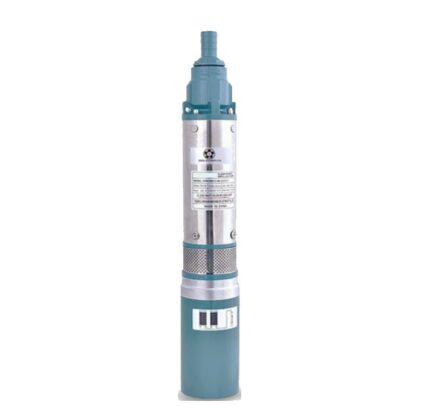
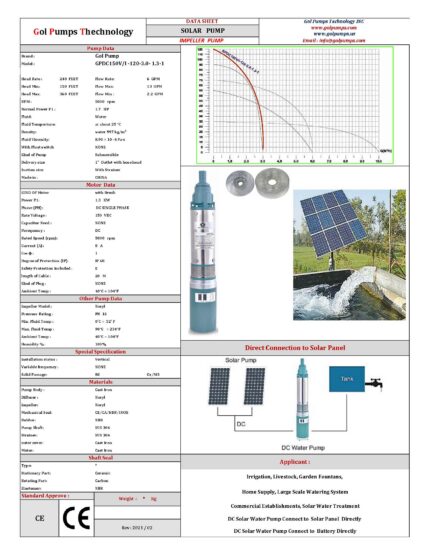
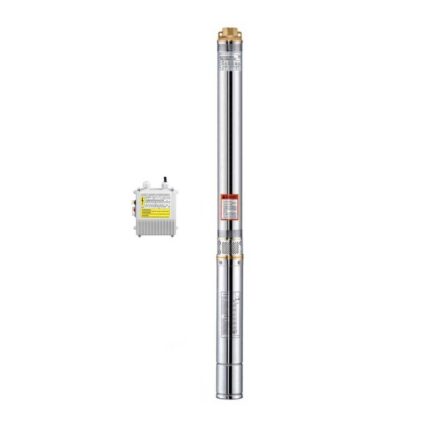
When water needs to be lifted from deep underground wells, a submersible pump is the only reliable choice. These pumps operate fully submerged in the water, which helps in self-cooling and pushing the water upwards.
-
Construction: Look for models made with corrosion-resistant materials like stainless steel, which resist rust and mineral buildup over years of use.
-
Horsepower (HP): The required Horsepower (HP) is directly related to the depth of your well and the vertical lift (total dynamic head) required. Our team can help you match the right HP to your specific well conditions.
2. Shallow Well Jet Pumps:
If the water level in your well or cistern is less than 25 feet (approximately 7.6 meters) from the surface, a shallow well jet pump is often the most cost-effective solution.
-
Mechanism: These are surface-mounted pumps that use a single pipe and an ejector (jet) to create a vacuum, pulling the water up. They are excellent for reliable water transfer and residential irrigation systems.
C. Sewage, Effluent & Sump Pumps for Wastewater Management
While less glamorous, wastewater management pumps are essential for preventing property damage and ensuring sanitation. These are often categorized by the type of liquid (and solids) they are designed to handle.
-
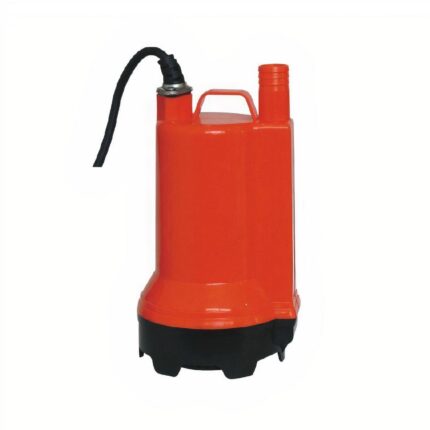
Residential Sump Pumps: Critical for homes with basements, sump pumps are installed in a pit (sump) at the lowest point of the house. Their primary function is to pump clear water and rainwater away, preventing dampness and flood damage.
-
Effluent Pumps: These handle greywater (laundry, sinks) and septic tank liquid—water that may contain small suspended solids.
-
Sewage Pumps: The most robust category. Sewage pumps are designed specifically to handle “black water” and large, abrasive solids. They are mandatory for basement bathrooms or homes where sewage must be pumped uphill to reach the main sewer line or septic tank.
Crucial Distinction: When shopping for a wastewater pump, always confirm the maximum size of solids the pump can pass (the “solids handling capacity”). This prevents costly clogs and damage to the pump’s internal components.
II. Choosing Your Pump: Key Technical Performance Metrics
To make an informed purchase, you must align your family’s water needs with the pump’s technical specifications.
A. Flow Rate (GPM – Gallons Per Minute)
Flow Rate (GPM) measures the volume of water the pump delivers per minute.
-
Typical Residential Need: A typical family of four requires a sustained flow rate of about 8–12 GPM for comfortable simultaneous use (e.g., running the dishwasher while taking a shower).
-
Calculating GPM: You must consider the total number of fixtures (sinks, toilets, appliances) and the flow rate required by high-demand fixtures like fire sprinkler systems or hot tubs. A correct GPM calculation prevents a drop in pressure when multiple fixtures are used.
B. Head Pressure (PSI – Pounds per Square Inch)
Head Pressure is a complex measurement that factors in both the vertical distance (lift) and friction loss within the pipes.
-
Total Dynamic Head (TDH): This is the ultimate figure, representing the total pressure the pump must overcome. It includes:
-
Vertical Lift (Static Head): The physical height from the water source to the highest outlet.
-
Friction Loss: The resistance created by water flowing through pipes, valves, elbows, and fittings.
-
Expert Tip: Never base your decision on Horsepower (HP) alone. Two pumps with the same HP can deliver vastly different GPM and PSI based on their impeller design and the TDH of your system. Always prioritize matching the pump’s performance curve to your calculated TDH and desired GPM.
III. Why Buy Your Residential Pump from SpringPump?
We understand that buying a pump is an investment in your home’s infrastructure. Our commitment is to stock and sell only the highest quality pumps and systems.
-
Energy Efficiency: Our modern pump selection is rated for maximum efficiency. Investing in a high-efficiency pump, often designated by an Energy Star rating, can lead to significant savings on utility bills over the system’s lifetime.
-
Durability and Longevity: Pumps need to last. We focus on models with heavy-duty construction, robust seals, and motors designed for continuous, high-stress use. The expected lifetime of a quality residential pump can be 10–15 years or more with proper installation and maintenance.
-
Expert Support: Our specialists are here to guide you through the process, from calculating your TDH to recommending the perfect equivalent model from competing entities.
FAQs: Your Questions About Residential Pumps Answered
Q1: What is the best pressure booster pump for a house?
The best booster pump for a house often involves VFD (Variable Frequency Drive) technology. Look for models with integrated speed control, like the DAB E.SYBOX Mini 3, which provides consistent pressure and quiet operation, making it ideal for residential installation indoors.
Q2: How many GPM do I need for a family of 4?
While calculations vary, a typical four-person household requires a peak flow rate of approximately 8–12 GPM. This volume ensures that concurrent activities—such as two people showering while the washing machine is running—do not cause a significant drop in pressure or flow.
Q3: What is the difference between a sump pump and a sewage pump?
A sump pump handles only clear water (or slightly dirty runoff) and small particles, primarily for basement drainage. A sewage pump is designed to handle “black water” and large, solid waste from toilets and bathrooms. Never use a sump pump where a sewage pump is required; the lack of solids-handling capacity will lead to immediate failure.
Q4: How often should I check my well pump?
While well pumps are built for longevity, they should be inspected as part of your annual home maintenance. Check the pressure switch, assess the water quality, and monitor the electric consumption for any sudden spikes that might indicate a problem.
Ready to purchase? Browse the comprehensive list of residential pumps below. Compare Horsepower (HP), GPM, and PSI to find the system that will provide reliable, high-performance water management for your home.