
Blog
Choosing the Right Small Pool Pump for Your Residential Pool Needs

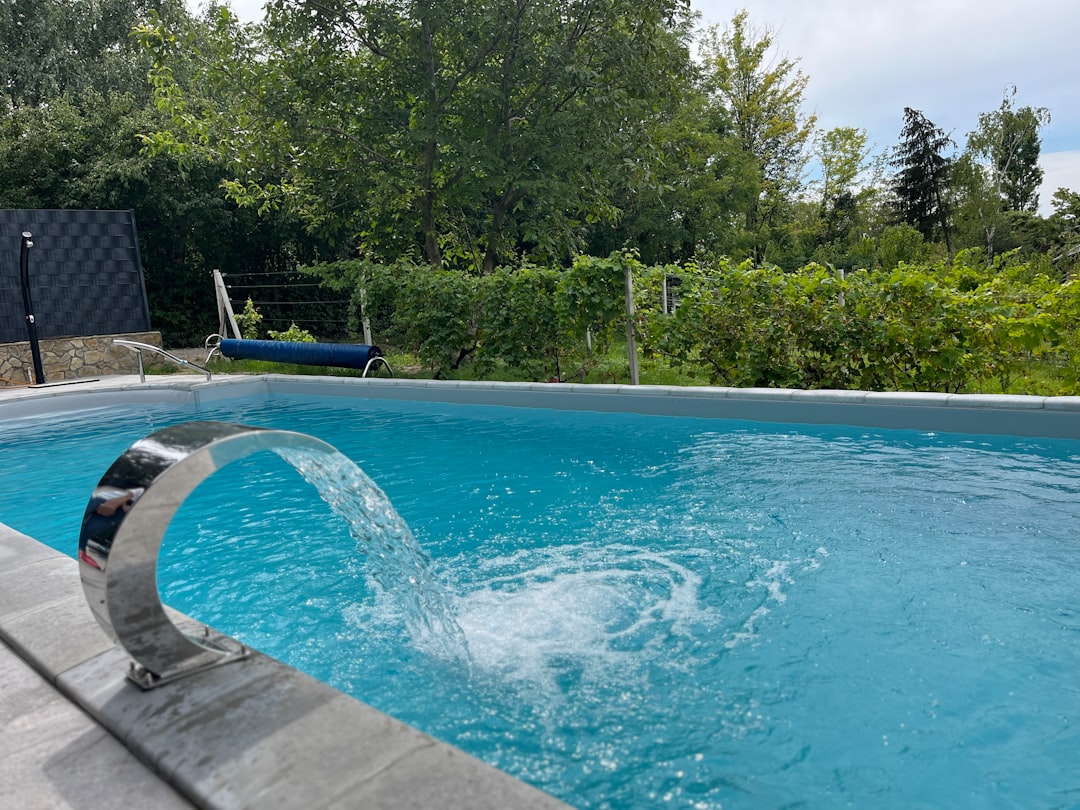
In this article, you will discover the world of small pool pumps, a crucial component for maintaining the hygiene and safety of your residential pool. A small pool pump is a type of pump designed to circulate and filter the water in small pools, spas, and hot tubs. The primary keyword “Small Pool Pump” is often searched by pool owners looking to replace or upgrade their existing pump. When it comes to selecting the right small pool pump, there are several factors to consider, including the size of your pool, the type of filter system you have, and the desired flow rate. In the following sections, we will delve into the details of small pool pumps, exploring their types, benefits, and installation considerations.
What Are the Main Types of Small Pool Pump?
The main types of small pool pumps include centrifugal pumps, jet pumps, and diaphragm pumps. Each type has its own unique characteristics, advantages, and disadvantages. Centrifugal pumps are the most common type of small pool pump, known for their high flow rates and relatively low cost. Jet pumps, on the other hand, are often used in above-ground pools and are recognized for their ability to handle high-pressure systems. Diaphragm pumps are a more recent development, offering a high level of efficiency and reliability.
When selecting a small pool pump, it is essential to consider the specific needs of your pool. For example, if you have a small above-ground pool, a jet pump may be the best option. However, if you have a larger in-ground pool, a centrifugal pump may be more suitable. You can also explore other types of pumps, such as Circulator Pumps or Self-Priming Pumps, which may offer additional benefits and features.
Some of the key factors to consider when selecting a small pool pump include:
- Flow rate: The flow rate of a small pool pump is measured in gallons per minute (GPM) and is critical in determining the pump’s ability to circulate and filter the water in your pool.
- Pressure: The pressure of a small pool pump is measured in pounds per square inch (PSI) and is essential in determining the pump’s ability to handle high-pressure systems.
- Efficiency: The efficiency of a small pool pump is measured by its ability to convert electrical energy into hydraulic energy, with higher efficiency pumps offering significant cost savings over time.
How Does Small Pool Pump Work?
A small pool pump works by using a combination of electrical and hydraulic components to circulate and filter the water in your pool. The pump consists of a motor, impeller, and diffuser, which work together to create a flow of water through the pump. The motor provides the power needed to drive the impeller, which creates a vacuum effect that draws water into the pump. The diffuser then converts the kinetic energy of the water into pressure energy, allowing the water to be pumped through the filter system and back into the pool.
For a more detailed understanding of how small pool pumps work, it is recommended to consult the manufacturer’s instructions or a professional pool technician. You can also explore other resources, such as Optimizing Your Pool’s Performance with the Right Pool Pump, which provides valuable insights into the world of pool pumps.
What Are the Benefits of Using a Small Pool Pump?
The benefits of using a small pool pump include energy efficiency, cost savings, and increased pool safety. Small pool pumps are designed to be energy efficient, using less power to circulate and filter the water in your pool. This not only saves you money on your energy bills but also reduces your carbon footprint. Additionally, small pool pumps are often quieter and more compact than larger pumps, making them ideal for residential pools.
Some of the key benefits of using a small pool pump include:
- Energy efficiency: Small pool pumps are designed to be energy efficient, using less power to circulate and filter the water in your pool.
- Cost savings: Small pool pumps can save you money on your energy bills, as well as reduce the need for frequent repairs and maintenance.
- Increased pool safety: Small pool pumps can help to increase pool safety by providing a reliable and efficient means of circulating and filtering the water in your pool.
How to Install a Small Pool Pump?
Installing a small pool pump requires careful planning and attention to detail. The first step is to select a suitable location for the pump, taking into account factors such as accessibility, drainage, and electrical supply. The next step is to connect the pump to the filter system and pool plumbing, ensuring that all connections are secure and watertight. Finally, the pump should be tested and commissioned, ensuring that it is operating correctly and efficiently.
| Pump Type | Flow Rate (GPM) | Pressure (PSI) | Efficiency (%) |
|---|---|---|---|
| Centrifugal Pump | 10-50 | 10-30 | 50-70 |
| Jet Pump | 5-20 | 20-40 | 40-60 |
| Diaphragm Pump | 5-15 | 10-20 | 60-80 |
My Experience with Small Pool Pump
As a seasoned pool technician, I have had the opportunity to work with a variety of small pool pumps. One of the most memorable experiences was when I installed a small centrifugal pump for a residential pool. The customer was looking for an energy-efficient pump that could handle the demands of their busy pool schedule. After selecting the right pump and installing it, the customer was thrilled with the results, noting a significant reduction in their energy bills and an improvement in the overall performance of their pool.
Through my experience, I have learned that small pool pumps are a reliable and efficient means of circulating and filtering the water in residential pools. However, it is essential to select the right pump for your specific needs and to follow the manufacturer’s instructions for installation and maintenance. You can also explore other resources, such as Understanding and Optimizing Pool Drain Pump Systems for Efficient Performance, which provides valuable insights into the world of pool pumps.
FAQ
What is the most energy-efficient type of small pool pump?
The most energy-efficient type of small pool pump is the diaphragm pump, which can achieve efficiency levels of up to 80%. However, the best pump for your specific needs will depend on a variety of factors, including the size of your pool, the type of filter system you have, and the desired flow rate.
How often should I maintain my small pool pump?
It is recommended to maintain your small pool pump at least once a month, checking the filter, impeller, and diffuser for signs of wear and tear. Additionally, the pump should be serviced annually by a professional pool technician to ensure that it is operating correctly and efficiently.
Can I use a small pool pump for a larger pool?
While it is possible to use a small pool pump for a larger pool, it is not recommended. Small pool pumps are designed to handle the demands of smaller pools, and using one for a larger pool can result in reduced performance, increased energy consumption, and a shorter lifespan for the pump.
What are the most common problems with small pool pumps?
The most common problems with small pool pumps include clogged filters, worn-out impellers, and faulty motors. Regular maintenance and servicing can help to prevent these problems, ensuring that your pump operates correctly and efficiently.
Sources: