
Self-Priming Pumps
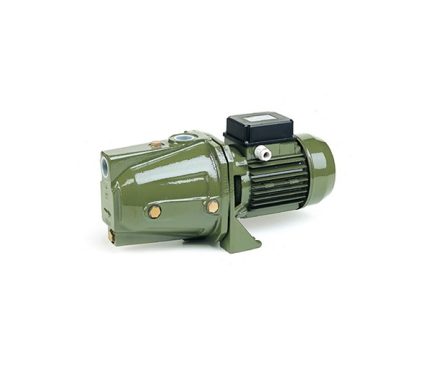
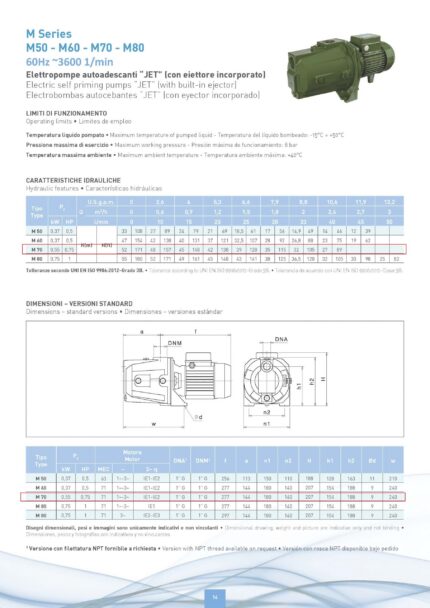
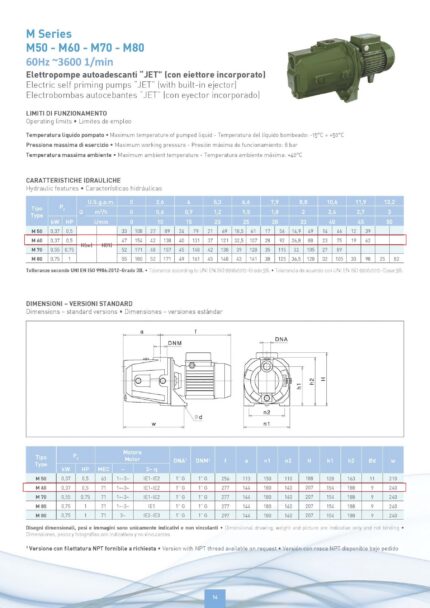
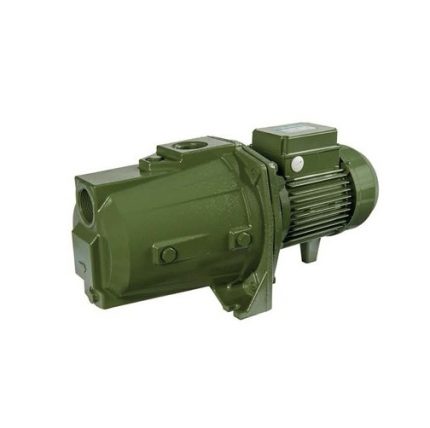
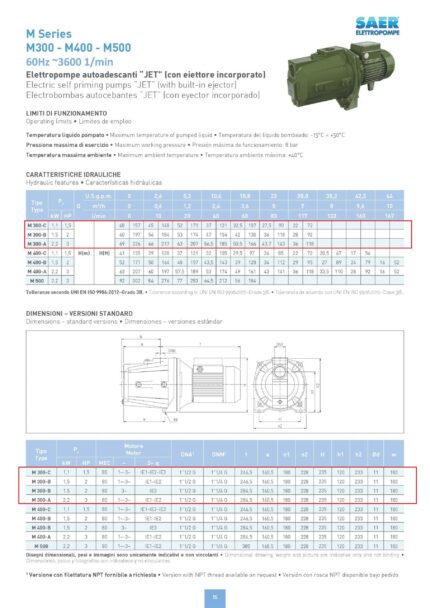
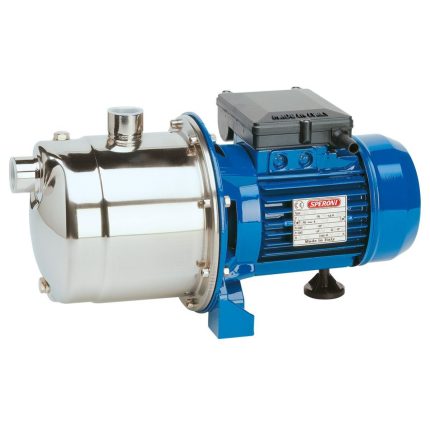
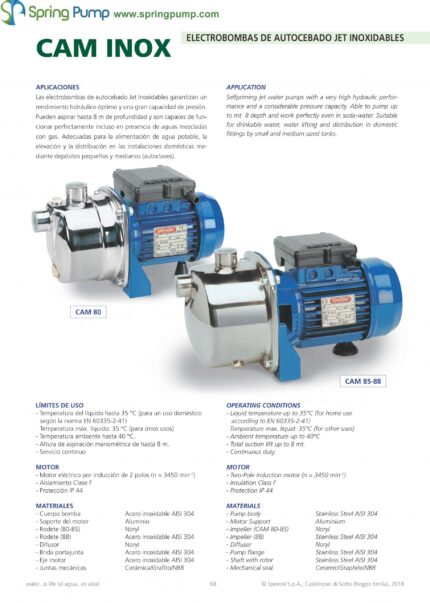
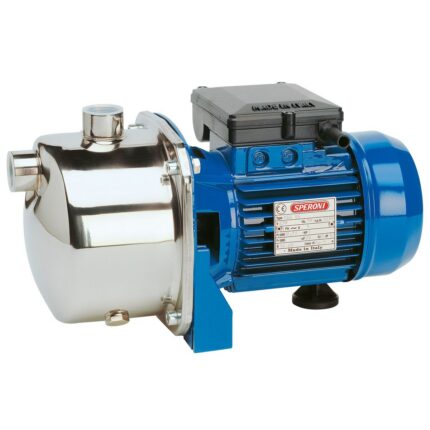
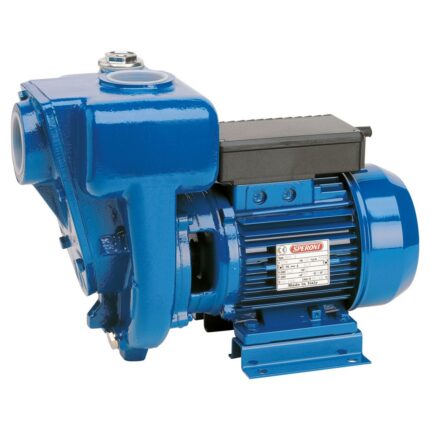
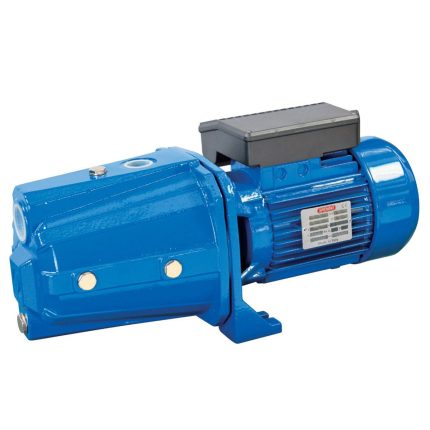
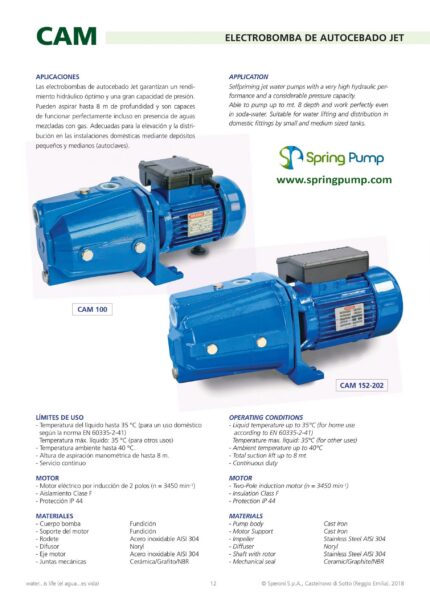
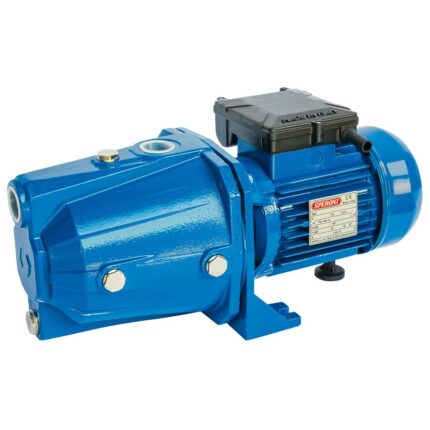
To simplify your fluid management, you should choose a self priming water pump designed to automatically evacuate air from the suction line. Unlike standard pumps that fail if air enters the system, these units utilize a specialized housing to re-prime themselves after an initial manual fill. By maintaining a water-air mixture during the start-up phase, a self priming transfer pump ensures consistent flow in shallow wells, irrigation setups, and emergency dewatering tasks without the need for manual intervention or foot valves.
Investing in a self-priming system eliminates the downtime associated with manual priming and protects your motor from the stresses of dry running. Whether you are managing a residential pool or a professional agricultural site, these pumps provide the “set and forget” reliability required for modern water infrastructure.
How can you simplify water transfer with a self priming water pump?
You simplify water transfer by choosing a self priming water pump that handles the “air-purging” process internally. In standard centrifugal systems, even a small air bubble can cause the pump to lose its prime and stop moving water. A self-priming unit features an enlarged volute or a dedicated priming chamber that retains enough liquid to create a vacuum and pull air out of the suction pipe.
At SpringPump, our self-priming water pumps are engineered for:
-
Rapid Setup: After the very first fill of the pump casing, the unit manages all subsequent starts automatically.
-
Versatility: Ideal for shallow well applications where the water level might fluctuate.
-
Reliability: Built to handle “dirty” air-filled water during the initial stages of a transfer job.
Why is a self-priming transfer pump more efficient than standard centrifugal models?
A self-priming transfer pump is more efficient because it removes the technical barriers of suction lift. In a typical setup, if your water source is below the pump, gravity wants to pull the water out of the pipes. This pump creates a powerful vacuum that overcomes gravity, lifting water up to 25 feet vertically.
When looking for a self-priming transfer pump for sale, you are essentially buying a system that compensates for environmental variables. While a standard pump requires a perfectly sealed, water-filled line to function, these robust units can “climb” to the water level, making them the preferred choice for cisterns, ponds, and basement drainage.
What factors influence the self-priming pump price and performance?
The self-priming pump price is primarily determined by the horsepower (HP) rating, the material of the housing (Cast Iron vs. Thermoplastic), and the complexity of the internal jet assembly.
| Component | Impact on Quality | Effect on Price |
| Cast Iron Housing | High Durability | Increases Price |
| Integrated Check Valve | Better Prime Retention | Moderate Increase |
| Stainless Steel Shaft | Corrosion Resistance | High Increase |
When you order online, remember that a lower self-priming pump price might indicate a plastic housing suitable for light residential use, whereas professional-grade self priming water pumps use heavy metal alloys to withstand the abrasion of high-velocity water.
When should you choose a small self priming water pump for residential use?
A small self priming water pump is the ideal solution for localized tasks like draining a hot tub, boosting garden hose pressure, or clearing small flooded areas. Because these units are lightweight, they can be moved easily across a property. Despite their size, a small self priming water pump can still deliver significant GPM (Gallons Per Minute), provided the suction distance is kept within the 15-20 foot range to minimize friction loss.
How does a self-priming transfer pump handle suction lift and air pockets?
The self-priming transfer pump operates by mixing residual water in the housing with air from the suction line. This mixture is forced through the impeller, where the air is separated and vented out through the discharge port. The heavier water then falls back into the chamber to repeat the process until the entire line is cleared of air.
This capability is essential for any self priming transfer pump used in applications where the suction hose might be moved or exposed to air. By maintaining a constant atmospheric pressure differential, the pump ensures that once water starts flowing, it doesn’t stop until the task is complete.
[Case Study / Experiment] How does a built-in check valve affect priming speed?
In a controlled test by the SpringPump technical team, we compared two self priming water pumps: Unit A (with a built-in check valve) and Unit B (without one). Both were set to a 15-foot static lift.
-
Observation: Unit A retained its internal water volume perfectly between cycles. Unit B experienced “siphoning,” where water slowly leaked back into the source, requiring a 30-second “re-prime” period during the next start.
-
Outcome: Unit A achieved full flow in under 5 seconds. Unit B took 42 seconds and showed signs of thermal increase in the mechanical seal due to the extended dry-run time.
-
Lesson Learned: If your application involves frequent on/off cycles, paying a slightly higher self-priming pump price for a model with a built-in check valve significantly extends the life of the impeller and saves energy.
What technical features should you look for in self priming water pumps?
When evaluating self priming water pumps, professional users prioritize features that protect the motor and housing from the unique stresses of air-purging:
-
Run-Dry Protection: Essential for preventing the mechanical seal from melting if the water source runs dry.
-
High Suction Lift Rating: Look for units rated for 25 feet of lift if you are using them as shallow well pumps.
-
Thermal Overload Protection: Automatically shuts down the motor if it gets too hot during a difficult priming cycle.
FAQ
Do I ever need to add water to a self-priming pump?
Yes. You must fill the pump housing with water manually once before the very first use. It cannot prime if the housing is bone-dry.
What is the maximum lift for a self priming water pump?
Most models are limited to 25 feet at sea level. Higher altitudes will reduce this maximum lift capacity.
Can a self-priming transfer pump handle solids?
Standard models handle clear water. For water with debris, you need a “semi-trash” self-priming model with a reinforced impeller.
Why is my pump humming but not priming?
Check for an air leak in the suction hose. Even a tiny leak will prevent the pump from creating the necessary vacuum.
Is a foot valve necessary?
While not strictly required, a foot valve keeps the pipe full of water, which makes the self priming transfer pump start almost instantly.
Can I use a small self priming water pump for a whole house?
Usually no. Small utility pumps lack the pressure-switching hardware required for constant home use. Use a dedicated jet pump instead.
How long can a pump run in “priming mode”?
Most should not exceed 5 minutes. If it hasn’t primed by then, there is likely an air leak or the lift is too high.
Do self-priming water pumps need a controller?
For irrigation or well use, a pressure switch or controller is recommended to automate the start/stop cycle.
Does the self-priming pump price include the hoses?
Typically no. Hoses and fittings are sold separately to match your specific distance requirements.
What causes a pump to lose its prime?
Leaky fittings on the suction side, a worn mechanical seal, or a damaged internal check valve are the most common causes.